

I love fitness and exercise. I always have. Movement feels natural to my body – I feel healthier, stronger, more centered, and less anxious when I’m active. Nutrition, on the other hand, is hard. I’m not a huge fan of eating or cooking. I find it annoying that I have to feed myself multiple times a day, and thinking about meals and food prep is exhausting.
But as a fitness professional with a nutrition specialization (yes, there’s irony there), I’m trying to do better.
One of my personal goals this year is to learn more about nutrition science and implement sustainable changes in my diet and my family’s diet. As part of that goal, I’ve started wearing a glucose monitor. Through my training and research, I’ve come to understand that excess sugar is a major (maybe the major) contributor to weight gain and chronic health conditions such as Type II diabetes, fatty liver disease, heart disease, and high blood pressure.
Most of us have a general sense of what’s healthy and what’s not. Fast food = unhealthy. Vegetables and lean proteins = healthy. But beyond those broad categories, things get confusing. Is there a “good” sugar and a “bad” sugar? How much sugar is too much? Carbs are sugar, but we need carbs, right?
This is where the glucose monitor becomes both helpful and genuinely fascinating (at least from a fitness nerd point of view).
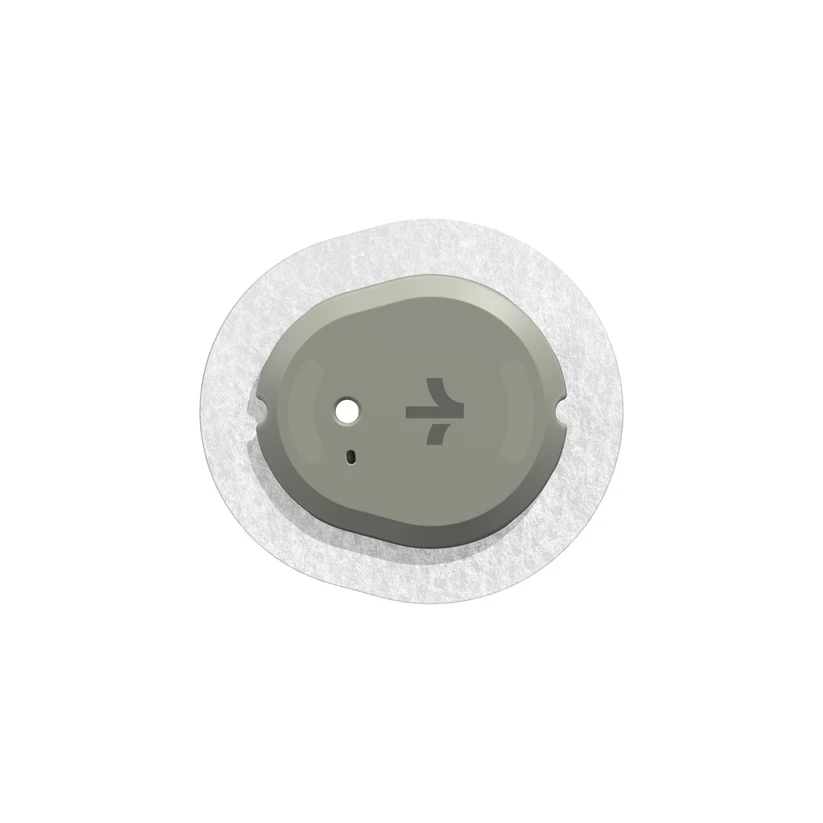
A month ago, I started using a Stelo Glucose Biosensor, a non-prescription wearable device that provides continuous glucose monitoring. I chose Stelo because it integrates seamlessly with my Oura Ring app, allowing me to see metabolic health data such as real-time glucose levels, glucose variability, average glucose, and fasting and waking glucose. The Oura app already tracks sleep, activity, heart rate, stress, and more, so being able to overlay glucose data with lifestyle and environmental inputs has been incredibly insightful.
While I’m still learning how to interpret the nuances of the data, especially the interplay between sleep quality, stress, activity, food intake, and glucose response, the immediate takeaway has been clear and undeniable: food has a direct and measurable impact on glucose levels, which over time can contribute to, or reduce the risk of, chronic health issues.
For example, a full meal of chicken, green beans, salad, and rice gently raises my glucose but keeps it within the target range of 70–140 mg/dL (a commonly referenced range for non-diabetic or pre-diabetic adults, though individual ranges can vary). In contrast, a plain cheeseburger and a handful of fries from McDonald’s spikes my glucose to 185+ and keeps it elevated above 140 mg/dL for an hour or more. Intellectually, I already knew this was likely the case, but seeing that spike visually represented in the Stelo or Oura app is a very different experience.
I’m a fairly competitive person, so keeping my glucose levels steady between 70 and 140 has turned into a bit of a personal video game. Making better meal and snack choices now feels like a challenge I want to win. I also really enjoy hitting my daily “In Range” goal of 96% or higher and there’s an extrinsic sense of achievement that’s surprisingly motivating.
That said, I truly believe the long-term value of wearing a glucose monitor goes far beyond the immediate satisfaction of meeting daily goals. Seeing, in real time, how food, exercise, sleep, and stress affect my metabolic health reinforces the nutrition education I’ve been exposed to since childhood. It makes it real in a way that studying or being taught never fully did.
My body is a machine, and it’s the only one I’ve got. What I put into it matters. How I treat it matters. We all want to live longer, but the quality of that life matters just as much. What we’re able to do with that extra time is shaped by the choices we make now. Do we choose to move? Do we choose to eat well? Do we choose to give our bodies the gift of health and longevity?
As it turns out, it’s not just Exercise for Life, it’s Nutrition for Life as well.